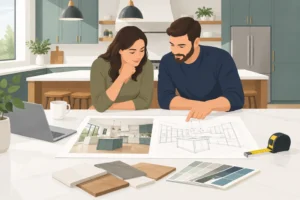
A bathroom can look like a small room, but it carries a lot of moving parts behind the walls. Plumbing, electrical work, waterproofing, tile, cabinets, fixtures, and inspections all have to happen in the right order. Homeowners often ask, “how long does bathroom remodeling take?” For most full bathroom renovations, plan on about three to six weeks once construction begins. A simple cosmetic refresh may take one to two weeks, while a larger custom bathroom can take six to eight weeks or longer.
The right answer depends less on square footage than on the scope of work, material availability, and the condition of the home. A dependable contractor should give you a realistic schedule before work starts, then keep you informed when conditions require an adjustment.
How Long Does Bathroom Remodeling Take? A Typical Timeline
A standard bathroom remodel usually moves through several stages. Some work can overlap, but certain steps cannot be rushed without risking the finished result.
| Project phase | Typical duration | What happens | |—|—:|—| | Planning, selections, and ordering | 2-8 weeks before construction | Finalize layout, fixtures, tile, cabinetry, permits, and material deliveries. | | Demolition | 1-3 days | Remove old fixtures, flooring, wall finishes, and damaged materials. | | Rough plumbing and electrical | 2-5 days | Relocate or update pipes, drains, wiring, outlets, lights, and ventilation. | | Framing, wall repair, and inspections | 2-5 days | Address structural needs, install blocking, close approved rough work, and complete inspections when required. | | Waterproofing and tile | 5-10 days | Prepare shower surfaces, waterproof, set tile, grout, and allow materials to cure. | | Cabinets, fixtures, and finish work | 3-7 days | Install vanity, toilet, trim, mirrors, lighting, shower glass, and final details. |
For a hall bathroom where the layout stays the same and the homeowner selects readily available materials, the construction portion may land near three weeks. A primary bathroom with a tiled walk-in shower, a freestanding tub, custom vanity, relocated plumbing, and specialty lighting will naturally take longer.
The schedule also starts before the first day of demolition. Good remodeling is built on preparation. Measurements need to be confirmed, selections need to be made, and long-lead items need to be on site or scheduled for delivery. That early planning can feel slow, but it prevents a torn-out bathroom from sitting unfinished while everyone waits on a vanity or shower valve.
What Makes a Bathroom Remodel Take Longer?
The most common reason a bathroom project runs long is not poor effort. It is discovering what is hidden behind old finishes. Once walls or flooring come out, a contractor may find water damage, mold, outdated plumbing, improper wiring, or framing that needs correction before new work can proceed. Fixing those issues is the right call, even when it adds time.
Changes to the layout add time
Keeping a toilet, shower, and vanity in their existing locations is usually the fastest path. Moving them may require new supply lines, drain lines, venting, electrical changes, and sometimes work below the floor or inside adjacent walls. The finished bathroom may be more functional, but homeowners should expect the timeline and budget to reflect the additional labor.
Tile and custom finishes require patience
A prefabricated shower surround installs more quickly than a custom tiled shower. Tile involves substrate preparation, waterproofing, layout, cutting, setting, grouting, and cure time. Large-format tile, intricate patterns, niches, benches, and natural stone can add more detail work.
That is not wasted time. In a shower, the surface tile is only part of the job. The waterproofing system behind it is what protects the home from leaks and expensive damage later.
Material availability can control the calendar
A bathroom cannot be completed without its key components. Custom cabinets, special-order tile, shower glass, plumbing fixtures, and certain lighting selections may have lead times that are outside a contractor’s control. Damage during shipping can also create a delay, especially with tile or glass.
Homeowners can protect their schedule by making selections early and avoiding last-minute substitutions. If a preferred product is backordered, a contractor can often help identify an alternative that meets the same look, function, and budget.
Permits and inspections vary by location
Depending on the work being performed and local requirements, permits and inspections may be needed for plumbing, electrical, structural, or mechanical changes. In Slidell and surrounding Gulf Coast communities, requirements can vary by jurisdiction. Inspection scheduling is a necessary part of doing the work correctly, and it should be included in the project plan rather than treated as an afterthought.
Homeowner changes affect the schedule
Changing tile, moving a light fixture, adding a shower niche, or choosing a different vanity after work has started can be done in many cases, but it may affect both cost and timing. Decisions made before construction are usually easier and less expensive than changes made after materials are ordered or installed.
A Realistic Schedule for Different Bathroom Projects
A basic bathroom update can often be completed in one to two weeks. This might include a new vanity, faucet, light fixture, toilet, paint, mirror, and flooring, without moving plumbing or rebuilding the shower. It is a practical choice for homeowners who want a cleaner, more current look with limited disruption.
A mid-range full bathroom remodel commonly takes three to five weeks. This level of work often includes demolition, a new tub or shower, tile, updated plumbing fixtures, flooring, vanity installation, paint, lighting, and minor electrical updates. It is the most common timeline for a bathroom that is outdated but does not need major layout changes.
A high-end primary bathroom renovation can take six to eight weeks or more. These projects may include custom cabinetry, expanded showers, body sprays, freestanding tubs, detailed tile, upgraded ventilation, new windows, lighting plans, and significant plumbing or electrical relocation. The additional time supports better coordination and cleaner finish work.
How to Keep Your Bathroom Remodel on Track
The best way to shorten the construction schedule is to plan thoroughly before construction begins. Confirm the layout, choose fixtures and finishes, approve the estimate, and order materials early. A clear scope of work gives the contractor a better chance to schedule trades efficiently and avoid preventable pauses.
It also helps to set up a temporary routine before work starts. If the bathroom being remodeled is your only full bath, discuss access, daily cleanup, and scheduling with your contractor. Families with children, older adults, or work-from-home schedules may need a little more coordination. A good remodeling team will keep the work area organized and communicate what to expect each day.
Homeowners should also leave room for reasonable flexibility. A contractor can control workmanship, scheduling, communication, and preparation. No one can fully control a hidden leak, a delayed inspection, or a damaged shipment. What matters is how quickly the issue is identified, explained, and handled.
Why Rushing a Bathroom Remodel Can Cost More
Bathrooms are wet, high-use spaces. Cutting corners on waterproofing, plumbing connections, ventilation, tile preparation, or electrical safety can lead to problems that do not show up until months later. A project that finishes a few days sooner is not a win if it results in cracked tile, a leaking shower, or moisture damage behind the walls.
The goal should be a well-managed project, not a rushed one. Quality work follows a sequence: prepare the structure, install the systems correctly, protect against moisture, and finish the visible details with care. That approach takes time, but it gives homeowners a bathroom they can use with confidence.
If you are considering a bathroom remodel in Slidell or the surrounding area, start by discussing your goals, your must-have features, and your ideal completion date. Smith & Port Construction can help turn those details into a clear scope, realistic schedule, and finished space built to serve your home well for years to come.