A bathroom can be small, but it works hard every day. When the vanity is too low, the lighting is harsh, tile is cracked, and storage is nowhere to be found, the room becomes a daily frustration. Learning how to remodel an outdated bathroom starts with more than picking a new paint color. It means identifying what is not working, protecting the home from moisture damage, and making decisions that will still look good and function well years from now.
For homeowners in Slidell and along the Gulf Coast, bathroom remodeling also has to account for humidity, active family life, and the condition of older plumbing and construction behind the walls. A well-planned project can turn an aging bathroom into a cleaner, safer, more comfortable space while adding value to the home.
Start With What Is Actually Outdated
Some bathrooms look dated but are structurally sound. Others have problems hidden behind an old vanity or under a soft section of flooring. Before choosing finishes, take an honest look at the room’s condition.
Cosmetic issues may include worn fixtures, faded wall color, old laminate counters, a builder-grade mirror, or tile that no longer fits the rest of the house. These updates can make a major difference without changing the room’s footprint.
Functional issues deserve more attention. Poor ventilation, recurring mildew, leaking fixtures, slow drains, loose tile, water-stained drywall, and an awkward layout should be addressed at the start of the project. Covering those problems with new materials may improve the appearance for a while, but it does not fix the reason the bathroom failed in the first place.
A contractor should inspect the subfloor, plumbing connections, electrical needs, and wall conditions before finalizing the scope of work. That early step helps avoid surprises once demolition begins and gives you a more dependable estimate.
Plan the Bathroom Around Daily Use
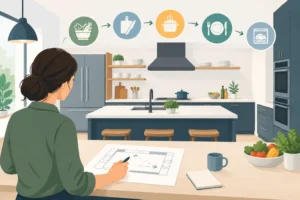
The best remodel is not always the one with the most expensive finishes. It is the one that makes everyday routines easier. Think about who uses the bathroom, how many people use it at the same time, and what creates the most frustration now.
A hall bath serving children may need durable flooring, easy-to-clean surfaces, a tub-shower combination, and more closed storage. A primary bathroom may benefit from a larger shower, a double vanity, improved lighting, and better drawer organization. A guest bathroom can often make a strong impression with a fresh vanity, quality fixtures, tile, and a clean, simple layout.
Layout changes can be worthwhile, but they come with trade-offs. Moving a toilet, shower drain, or major plumbing line can increase labor and material costs quickly. If the existing layout functions well, keeping plumbing in place often allows more of the budget to go toward waterproofing, cabinetry, tile, and finish work. When the current layout is cramped or unsafe, however, reworking it may be the right long-term investment.
Set Priorities Before Choosing Products
Homeowners often start by saving photos of tile and vanities. That is useful for establishing a style direction, but priorities should come first. Decide what matters most: more storage, a walk-in shower, improved accessibility, easier cleaning, better lighting, or a complete visual update.
Once those needs are clear, it becomes easier to make practical choices when the budget requires a decision. You may choose a standard-size vanity so you can invest in a properly built shower. Or you may keep the tub and update the surrounding tile, plumbing fixtures, lighting, and flooring. A good plan puts money where it will improve the room’s performance and lifespan.
Build the Budget Around the Work Behind the Walls
Bathroom remodeling costs vary based on room size, material selections, layout changes, and the condition of the existing space. The biggest mistake is budgeting only for the visible items. Tile, cabinets, countertops, and fixtures matter, but the work behind the walls is what protects those finishes.
Demolition, plumbing adjustments, electrical upgrades, shower waterproofing, subfloor repairs, ventilation, drywall, and skilled installation all need room in the budget. In an older home, it is wise to include a contingency for conditions that cannot be fully seen until the room is opened up.
Transparent estimating matters here. A detailed scope should clarify what is being removed, what is being installed, which materials are included, and how changes will be handled. It also helps homeowners compare proposals fairly. A lower price may not be a better value if it leaves out moisture protection, necessary repairs, permits, or finish details.
Choose Materials That Hold Up in Gulf Coast Homes
A bathroom has constant exposure to water, steam, hair products, cleaning chemicals, and daily wear. Materials should be selected for durability as well as appearance.
Porcelain tile is a reliable choice for floors and shower walls because it resists moisture and comes in a wide range of sizes and styles. Larger tiles can create a cleaner, more modern look with fewer grout lines, though smaller tile may be a safer option for a shower floor where additional grout lines can improve traction. Natural stone can be beautiful, but it often requires more maintenance and sealing. It is a good choice for homeowners who understand that care requirement.
For vanities, look beyond the door style. Bathroom cabinetry should be built to handle humidity and regular use. A well-made vanity with functional drawers can provide more usable storage than a larger cabinet with one deep, cluttered space underneath the sink.
Quartz countertops are popular for a reason: they offer a clean look, dependable durability, and low maintenance. Solid-surface materials and quality cultured stone can also be practical options, depending on the design and budget. For faucets and shower trim, choose finishes that coordinate with the room but do not sacrifice quality for appearance alone. A fixture that looks good but fails early is never a bargain.
Do Not Cut Corners on Waterproofing and Ventilation
This is where a quality bathroom remodel separates itself from a fast cosmetic update. Tile and grout are not waterproof on their own. A shower needs a complete waterproofing system behind and beneath the finished surface, with careful attention around corners, niches, benches, valves, and the shower pan.
Proper preparation helps prevent leaks that can damage framing, drywall, flooring, and adjoining rooms. It also protects the investment you are making in tile and finish work. Ask how the shower will be waterproofed, not just what tile will be installed.
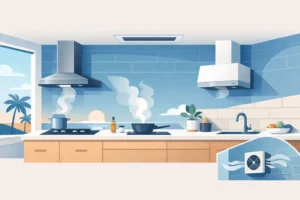
Ventilation is equally important in South Louisiana and nearby Mississippi communities, where humidity can make moisture problems worse. An adequately sized exhaust fan, vented correctly to the exterior, helps remove steam and reduce the risk of mildew. If the bathroom has limited natural light, improved ventilation and layered lighting can also make the room feel fresher and more open.
Improve Lighting Before the Walls Close
Many outdated bathrooms rely on one ceiling fixture and a row of bulbs above the mirror. That setup can create shadows where you need clear light most.
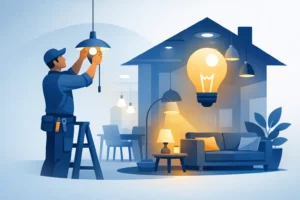
A better plan combines overhead lighting with vanity lighting placed to illuminate the face more evenly. Sconces on either side of a mirror are often effective when the layout allows. Recessed fixtures can provide general light, while a shower-rated recessed light can make an enclosed shower feel brighter and safer.
Electrical upgrades should be planned early. This may include GFCI-protected outlets, additional vanity outlets, dimmers, a dedicated fan switch, or lighting controls that make the room easier to use at night. These are small details during construction, but they have a real effect on how the finished bathroom feels.
Work With a Clear Remodeling Process
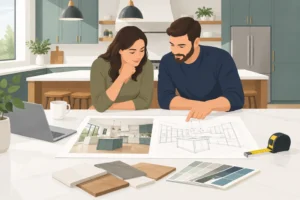
A bathroom project moves more smoothly when the work is organized before demolition begins. Finalize the layout, major materials, fixtures, and cabinet dimensions as early as possible. Special-order items can affect the schedule, and changing selections after work starts can lead to delays or added cost.
During construction, there will be dust, noise, and temporary disruption. A dependable contractor will protect nearby areas, keep the site as clean as practical, communicate about progress, and explain any unexpected conditions honestly. Bathroom work requires several trades to coordinate, so clear communication is just as valuable as quality craftsmanship.
For homeowners who want the job handled with attention to detail from demolition through finish work, Smith & Port Construction brings a hands-on approach to bathroom renovations throughout Slidell and surrounding Gulf Coast communities.
How to Remodel an Outdated Bathroom Without Regretting It
Avoid chasing every trend. Warm neutrals, quality tile, good storage, comfortable lighting, and simple hardware tend to age better than highly specific colors or patterns. You can still add personality through mirrors, paint, towels, and accessories that are easier to change later.
Most of all, do not rush the planning stage. A bathroom that is properly designed, waterproofed, ventilated, and finished by skilled professionals will serve your household far better than a quick update that only looks good on the first day. Start with the problems you need solved, choose materials that fit the way you live, and build the room with the care it deserves.