The cabinet color that looked crisp under showroom lighting can feel cold, flat, or overly dark once it is installed in a real kitchen. That is why kitchen cabinet color trends 2026 are less about chasing one viral shade and more about choosing colors that fit the room, the home, and the way your family lives. For homeowners across Slidell and the Gulf Coast, the strongest choices are warm, grounded, and built to look good long after the remodel is complete.
A kitchen renovation is a major investment. Cabinet color sets the tone for nearly every other decision, from countertops and tile to lighting and hardware. The right finish can make a smaller kitchen feel open, give a dated layout more character, and support resale value without making the room look like every other kitchen on the block.
Kitchen Cabinet Color Trends 2026 Favor Warmth
Cool gray cabinets had a long run, but the shift toward warmer undertones is clear. Homeowners are choosing colors that make a kitchen feel settled and welcoming rather than stark. Think soft whites, creamy beiges, clay-inspired neutrals, muted greens, and natural wood tones.
This does not mean every kitchen needs to look brown or rustic. The best 2026 palettes still feel clean and current. The difference is in the undertone. Instead of a blue-white cabinet finish, warmer whites have a subtle cream, putty, or linen cast. Instead of plain gray, a homeowner may choose taupe, mushroom, or a soft greige with more depth.
Warm cabinet colors work particularly well in Gulf Coast homes, where abundant sunlight can make cool paint colors appear even bluer. They also pair naturally with the materials homeowners are selecting now: oak flooring, brass or bronze hardware, handmade-look tile, and stone countertops with cream or warm veining.
Soft White Still Has a Place
White cabinets are not going away. They remain a dependable choice for homeowners who want a bright kitchen, broad design flexibility, and an easy path to future updates. The 2026 version of white is simply less sterile.
Look for whites with a gentle warm undertone rather than a sharp, clinical appearance. These colors work well with natural wood accents, aged brass hardware, and warm quartz or marble-look countertops. In a kitchen with limited natural light, a warm white can reflect light without making the room feel washed out.
The trade-off is that not all warm whites work with every existing finish. A creamier cabinet can clash with a cool gray backsplash or bright white appliances. Before making a final selection, compare larger painted samples with the countertop, flooring, wall color, and lighting planned for the completed kitchen.
Earthy Greens Bring Color Without the Commitment
Muted green continues to be one of the most practical color directions for 2026. Sage, olive, moss, and soft eucalyptus shades offer personality without becoming too loud. They bring in color while still behaving much like a neutral, especially when balanced with wood, white walls, or light counters.
Green is often a strong option for an island, a lower cabinet run, or a pantry wall. In a larger kitchen with good light, it can also carry the full cabinet layout. The key is choosing a toned-down shade rather than a bright green that may feel dated quickly.
For homeowners who like the idea of color but worry about resale, green can be a smart middle ground. It feels more custom than white while remaining connected to natural materials and traditional home finishes. A well-built cabinet painted in a mature olive or sage tone can look just as appropriate in a coastal cottage as it does in a newer suburban home.
Deep Blue Is More Selective in 2026
Navy cabinets are still popular, but the trend is becoming more refined. Rather than saturated royal blues, many homeowners are leaning toward smoky blue, blue-gray, and deep ink shades. These colors add depth and contrast without turning the kitchen into a dark box.
A deep blue island can be especially effective against warm white perimeter cabinets. It gives the room a focal point and looks sharp with brushed nickel, brass, or black hardware. Blue can also work on full cabinetry in a spacious kitchen with plenty of windows, but it needs thoughtful lighting.
This is where planning matters. Dark paint absorbs light, and cabinet color can look very different between morning and evening. Under-cabinet lighting, ceiling fixtures, and the color temperature of the bulbs all affect the final result. A beautiful dark cabinet color deserves a lighting plan that lets it show up properly.
Natural Wood Cabinets Are Back in a Big Way
One of the most noticeable kitchen cabinet color trends 2026 homeowners should watch is the return of visible wood grain. White oak is leading the way, with walnut and medium-toned stained woods also gaining ground. This is not a return to the orange-toned cabinets found in many older kitchens. The new look is cleaner, more tailored, and more focused on grain, texture, and quality construction.
Natural wood cabinets add warmth that paint alone cannot always provide. White oak pairs well with creamy counters, muted green accents, and simple tile backsplashes. Walnut offers a richer, more dramatic look that can make a kitchen feel polished and substantial.
Wood cabinets are also a practical choice for homeowners who want character without relying on a bold paint color. Grain variation is part of the finish, so everyday dust and minor marks can be less noticeable than they are on a smooth, solid-color cabinet door. Still, stain samples matter. Wood species, grain direction, and finish sheen all influence the final color.
Two-Tone Kitchens Need a Clear Plan
Two-tone cabinetry remains popular, but the strongest designs are more intentional than the high-contrast combinations of past years. A common approach is warm white upper cabinets with a darker island or lower cabinets in green, blue, or wood. Another option is painted perimeter cabinets paired with a wood island.
The goal is contrast with balance. If the island is dark, keep the surrounding materials lighter enough to prevent the room from feeling heavy. If lower cabinets are colorful, choose a counter and backsplash that tie both cabinet colors together.
Two-tone layouts are especially useful when a kitchen has architectural breaks, such as a separate beverage station, pantry wall, or large center island. They can define zones without adding extra walls or clutter. In a small kitchen, however, too many cabinet colors can make the space feel busy. One primary color and one supporting finish is usually enough.
Dark Cabinets Work Best as an Accent
Charcoal, black, and deep brown cabinetry can look outstanding, especially in homes with larger kitchens, taller ceilings, or strong natural light. In 2026, darker shades are being used with more restraint. Instead of covering every cabinet in black, homeowners are using dark colors for an island, a built-in bar, a coffee station, or a lower cabinet section.
Dark cabinets create contrast and make metal hardware stand out. They also bring a more tailored, high-end look when paired with warm wood and stone. But they show fingerprints, dust, and scratches more easily than mid-tone finishes, particularly on flat-panel doors with a matte surface. For busy family kitchens, that maintenance reality should be part of the decision.
Choose a Color for Your Home, Not Just the Trend
Trends are useful for narrowing choices, but they should not overrule the character of the house. A historic home, a waterfront property, and a newer open-concept home may all call for different cabinet colors. Existing flooring, window direction, ceiling height, and adjacent rooms all matter.
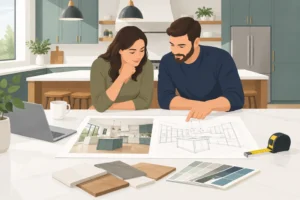
Before approving a cabinet color, review large samples in the actual kitchen at different times of day. Put the sample beside the countertop and backsplash, then look at it under the lighting you plan to install. Small paint chips are not enough for a decision that will cover most of the room.
Also consider the cabinet door style. Warm white shaker cabinets feel classic and familiar. A deep green slab door can feel more modern. Natural oak works in both directions depending on the profile, hardware, and surrounding finishes. Color and construction should support one another.
A lasting kitchen is not built around the loudest shade in a design feed. It is built around materials that suit your home, finishes that hold up to daily life, and workmanship that makes every detail look intentional. When you are ready to turn a cabinet color idea into a kitchen that works for your family, Smith & Port Construction can help you make choices with confidence from the first estimate through the final finish work.