A cabinet project can look straightforward until the choices start adding up: door styles, finishes, hardware, drawer inserts, countertops, lighting, and installation details. Knowing how to budget cabinet upgrades means deciding what will make the biggest difference in your daily life before you fall in love with options that do not fit the plan. A clear budget protects your investment and helps your kitchen come together with fewer compromises at the finish line.
Start With the Problem You Are Solving
Cabinet upgrades should begin with function, not a color sample. Walk through your kitchen and identify what is frustrating you now. Maybe the cabinet boxes are solid but the doors are dated. Maybe you need deeper drawers for pots and pans, a better pantry setup, or storage that keeps small appliances off the counter. In other homes, water damage, sagging shelves, or poor layout makes replacement the more sensible choice.
This first decision affects nearly every budget number that follows. Refacing or replacing doors and drawer fronts can refresh a kitchen at a lower cost than full replacement, but it only makes sense when the existing cabinet boxes are level, sound, and worth keeping. Painting can be a good value when the cabinetry is in good condition and the finish work is handled properly. Full custom or semi-custom cabinets cost more, but they can solve layout problems and make better use of difficult corners, tall ceilings, or narrow kitchen walls.
Be honest about the goal. If you want a cosmetic update before selling, the budget will look different than it would for a long-term family kitchen built around cooking, entertaining, and storage.
How to Budget Cabinet Upgrades in the Right Order
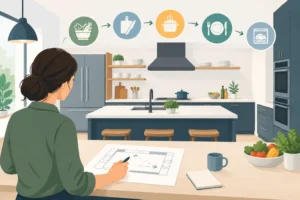
The most dependable approach is to build your budget from the fixed decisions outward. Start with a total amount you are comfortable investing, then reserve a portion for the work that cannot be skipped: demolition, installation, repairs, finish work, and any needed plumbing or electrical changes. Cabinet projects often uncover issues behind old units, especially in homes with past leaks, uneven walls, or older wiring.
After accounting for the necessary work, prioritize the elements you will touch and use every day. Durable cabinet boxes, quality hinges, full-extension drawer slides, and professional installation generally deserve more attention than decorative upgrades that can be added later. A drawer that closes smoothly for years is usually a better investment than an expensive specialty pull that does not improve storage or performance.
For most homeowners, it helps to divide the budget into three categories: the cabinets and components themselves, the labor and preparation required to install them correctly, and a contingency reserve. A contingency of roughly 10 to 15 percent is a practical starting point for a renovation, especially when walls are being opened or the layout is changing. The exact amount depends on the age and condition of the home, but leaving no room for surprises can force rushed decisions later.
Separate Cabinet Costs From the Rest of the Kitchen
Cabinets are often the largest line item in a kitchen remodel, but they are not the only cost connected to the upgrade. A budget can look comfortable at first and still come up short if the surrounding work is left out.
If you are changing cabinet locations, plan for possible electrical outlet relocation, new lighting, plumbing adjustments, drywall repair, flooring patches, and backsplash work. Countertops may need to be removed and reinstalled or replaced, depending on the scope. Appliances can also create added costs when a new refrigerator, range, or dishwasher requires a different opening or utility connection.
This does not mean every cabinet upgrade needs a full kitchen renovation. It means you should decide early whether the cabinet work needs to coordinate with other updates. Replacing only the lower cabinets while keeping existing counters may be possible, but accurate measurements, cabinet height, and countertop condition all matter. A contractor can help determine where a phased approach makes sense and where trying to save money could create more work later.
Spend More Where Quality Shows Up Daily
Cabinet budgets work best when money follows function. In a busy kitchen, the high-use features are usually worth the added cost. Soft-close hinges and drawer slides, properly built drawers, adjustable shelving, and durable finishes can improve the experience of the room every day.
Storage upgrades can also deliver more value than homeowners expect. Pullout trash bins, deep drawer bases, tray dividers, pantry pullouts, and corner solutions can make a modest kitchen feel more organized without expanding its footprint. These features do add cost, so choose the ones that solve a real problem in your household instead of trying to include every available accessory.
The same principle applies to materials. Solid wood doors, plywood construction, and premium finishes may be the right choice for a high-use kitchen, but they are not the only path to a good result. Well-made alternatives can provide a clean, durable finish at a lower price point. The best choice depends on how long you plan to stay in the home, how heavily the kitchen is used, and the look you want to achieve.
Keep Finish Choices From Running Away With the Budget
Finishes and details are where a cabinet plan can quickly grow beyond its original number. Glass-front doors, custom paint colors, decorative end panels, crown molding, specialty hardware, and interior accessories all have their place. The key is selecting a few features that create a finished look instead of paying for upgrades in every cabinet.
For example, one well-placed glass cabinet can break up a wall of solid doors. Upgrading hardware throughout the kitchen can make a major visual difference without changing the entire cabinet package. Decorative panels may be essential on an exposed island or end cabinet, while hidden sides can stay simple.
Homeowners along the Gulf Coast should also think about durability, not just appearance. Kitchens see humidity, heat, and regular cleaning. Quality preparation and finish work matter, particularly for painted cabinetry. A finish that looks good on installation day should also hold up to real family use.
Get Estimates That Make Comparison Easier
A low estimate is not always a lower final price. When comparing cabinet proposals, make sure each one describes the scope clearly. You should be able to see whether the price includes cabinet removal, disposal, installation, trim, hardware, modifications to existing walls, painting, and coordination with other trades.
Ask what cabinet construction and hardware are included, as well as what is considered an allowance. An allowance is a placeholder amount for a selection that has not been finalized. It can be useful during early planning, but it needs to be realistic. If the allowance for pulls, countertops, or lighting is too low for your preferences, the budget can change quickly once selections are made.
Clear communication matters here. A dependable contractor should explain what is included, point out likely variables, and help you make decisions before the work is underway. That is especially valuable when you are weighing refacing against replacement or trying to coordinate cabinets with a larger kitchen update.
Plan for a Project That Works in Real Life
Cabinet installation affects the center of the home, so factor temporary inconvenience into your planning. If the kitchen will be out of service for a period, decide where meals, coffee, and basic cleanup will happen. Protect nearby rooms from dust, and move fragile items out of work areas before the project begins.
It is also wise to finalize cabinet dimensions and appliance selections before orders are placed. A last-minute appliance change can affect filler panels, cabinet openings, electrical needs, and countertop measurements. Taking time upfront to confirm these details is less expensive than correcting them after materials arrive.
A cabinet upgrade should leave you with more than a better-looking kitchen. It should give you storage that makes sense, finishes that fit your home, and workmanship you can count on. For homeowners in Slidell and nearby Gulf Coast communities, Smith & Port Construction can help turn a practical cabinet budget into a well-planned project built to serve your home for years.