Learn how to estimate house renovation costs with a practical breakdown of labor, materials, permits, and contingency planning.
Sticker shock usually happens before the first wall comes down. A homeowner gets one number in mind, then starts choosing better finishes, uncovering hidden damage, or adding “just one more” upgrade. If you want to know how to estimate house renovation costs the right way, you need more than a rough guess. You need a clear scope, realistic material allowances, and room in the budget for the kind of surprises that older Gulf Coast homes can hide.
A good estimate is not about chasing the lowest number. It is about understanding what the project actually includes so you can make smart decisions before work starts. That matters whether you are updating one bathroom in Slidell or planning a larger whole-home remodel in a nearby Louisiana or Mississippi community.
How to Estimate House Renovation with Fewer Surprises
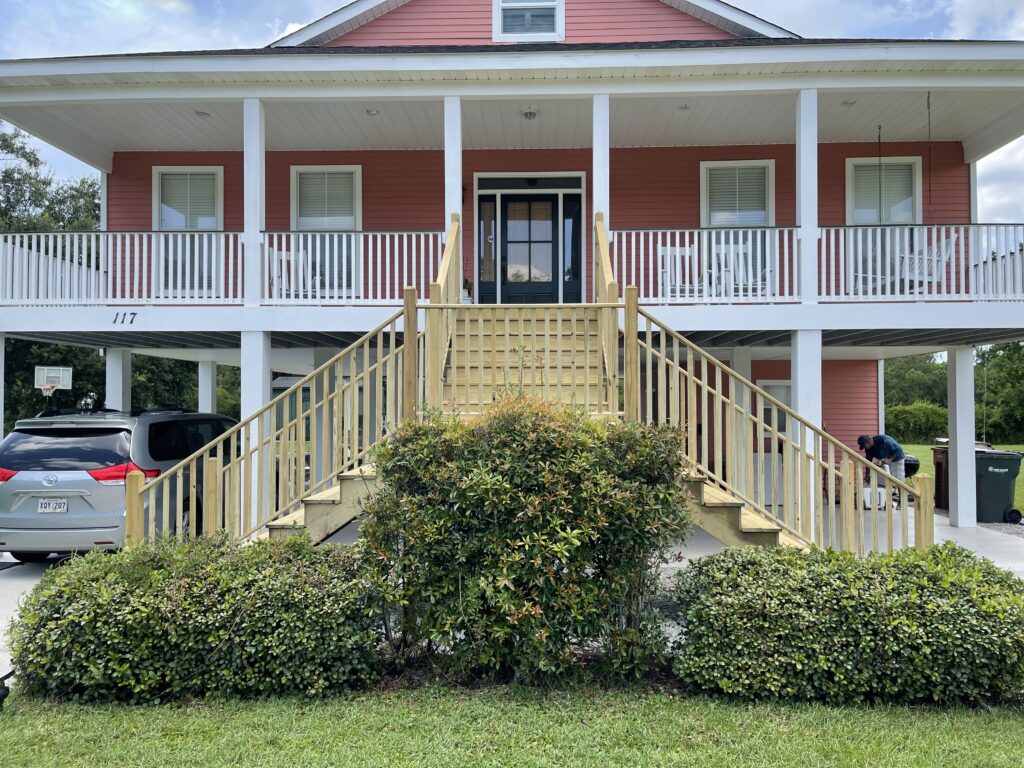
The first step is defining the scope in plain language. Are you refreshing a space, partially remodeling it, or taking it down to the studs? Those are three very different jobs with three very different price ranges. Painting cabinets and replacing countertops is not the same as moving plumbing, updating electrical, and installing all-new custom cabinetry.
This is where many estimates go off track. Homeowners often start with a broad goal like “redo the kitchen” when what they really want includes new flooring, lighting, layout changes, appliance upgrades, backsplash tile, trim work, and possibly opening a wall. Every one of those choices changes labor, materials, scheduling, and permit needs.
A dependable estimate starts by writing out exactly what is staying, what is being removed, and what is being installed. The clearer that list is, the more accurate the number will be.
Break the Project into Cost Categories
The easiest way to estimate a renovation is to divide it into the main parts of the job. That gives you a working budget instead of one lump-sum guess.
Demolition and Prep
Before new work begins, old materials have to come out. Demo can be simple or labor-intensive depending on what is being removed and how the home was built. Tile removal, old flooring, wall demolition, debris hauling, and site protection all cost money. In lived-in homes, protecting nearby rooms from dust and damage is part of the real cost too.
Structural, Mechanical, and Behind the Wall Work
This is the category people often miss. If you are moving walls, changing the layout, relocating plumbing, upgrading electrical, or adjusting HVAC, the budget can shift quickly. These are the parts of the job you do not see when the project is finished, but they are often the parts that make the space safer, more functional, and up to code.
In older homes, this area may also include fixing framing issues, water damage, rot, or outdated wiring. Along the Gulf Coast, moisture exposure can make hidden repairs more likely than homeowners expect.
Materials and Finishes
This is where your selections matter most. Cabinets, countertops, flooring, tile, fixtures, paint, trim, hardware, and lighting all fall into this category. Two bathrooms with the same layout can have very different budgets based on finish choices alone.
The best approach is to set allowances that match your taste honestly. If you know you prefer quartz over laminate or custom tile over basic surrounds, put that into the estimate from day one. A low allowance may make the initial number look better, but it usually leads to disappointment later.
Labor
Labor is not just installation. It includes project management, skilled trade coordination, finish work, jobsite cleanup, and the time it takes to do the work correctly. Detailed craftsmanship costs more than quick patchwork, and that difference usually shows up in the final result.
For homeowners, this is where trust matters. A contractor with strong communication, reliable scheduling, and clean work habits may not give you the cheapest number, but that does not mean the estimate is overpriced. It may mean it is complete.
Permits and Inspections
Some renovations require permits, especially when electrical, plumbing, structural changes, or major system updates are involved. Permit costs vary by project and municipality, so they should be included early instead of treated like an afterthought.
Contingency
If you skip contingency, you are not really estimating. You are hoping. A practical renovation budget usually includes extra funds for hidden conditions, product changes, or minor scope adjustments. For many projects, setting aside 10 to 20 percent is a smart move, especially in older homes.
Use the Right Pricing Method for Your Project
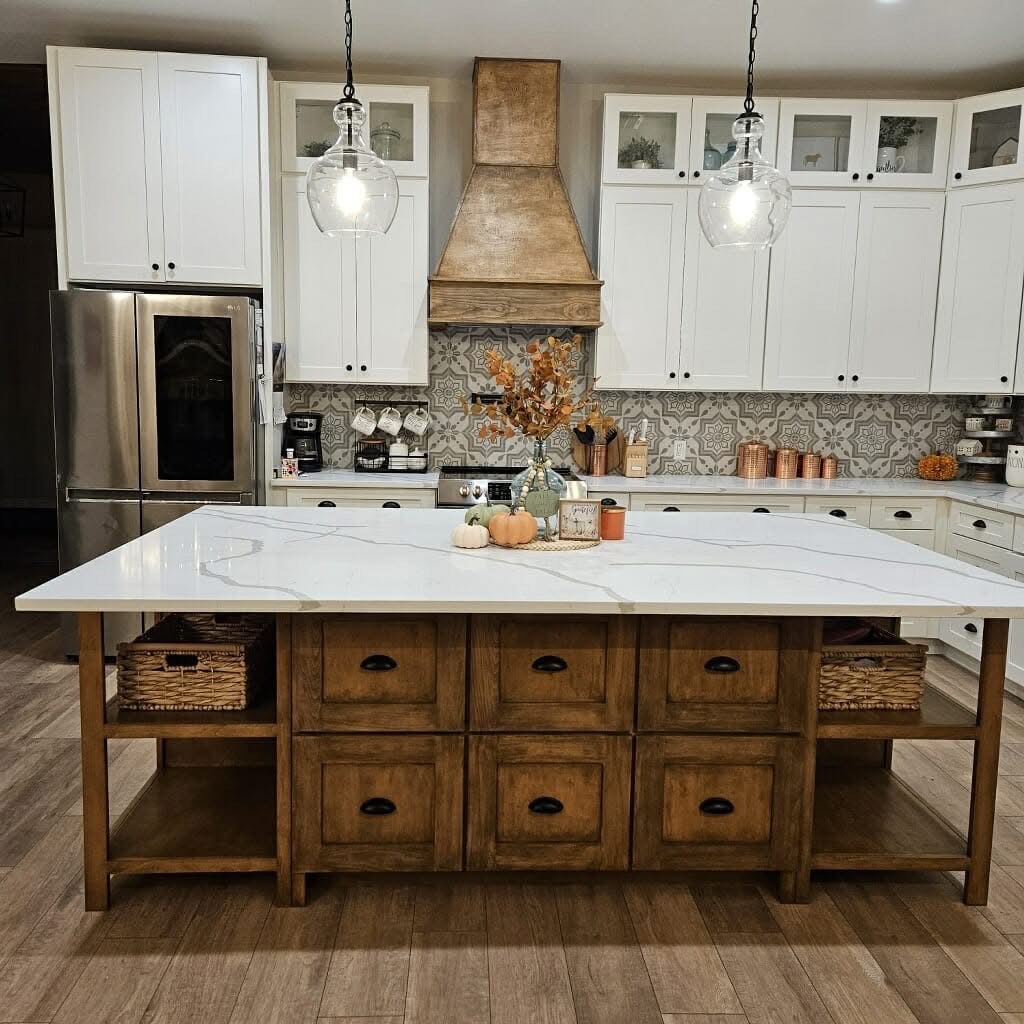
Not every renovation should be estimated the same way. A simple cosmetic update may be reasonably budgeted by room or by finish package. A larger remodel with layout changes needs a more detailed line-by-line approach.
For example, if you are updating a guest bathroom with the same basic footprint, you can often estimate from the major categories and recent local pricing. If you are reworking a kitchen, removing walls, relocating appliances, and upgrading lighting, square-foot shortcuts become less reliable.
That is why homeowners should be careful with online calculators. They can give a broad range, but they usually do not account for your actual home, your finish level, your local labor market, or the condition of the existing space. They are fine for early planning, but not for making a final decision.
How to Estimate House Renovation Costs Room by Room
A room-by-room review helps you catch costs that get overlooked.
In kitchens, countertops, appliances, plumbing fixture changes, electrical upgrades, and layout modifications. Even small kitchens can carry substantial costs if the finishes are upgraded and the work is detailed.
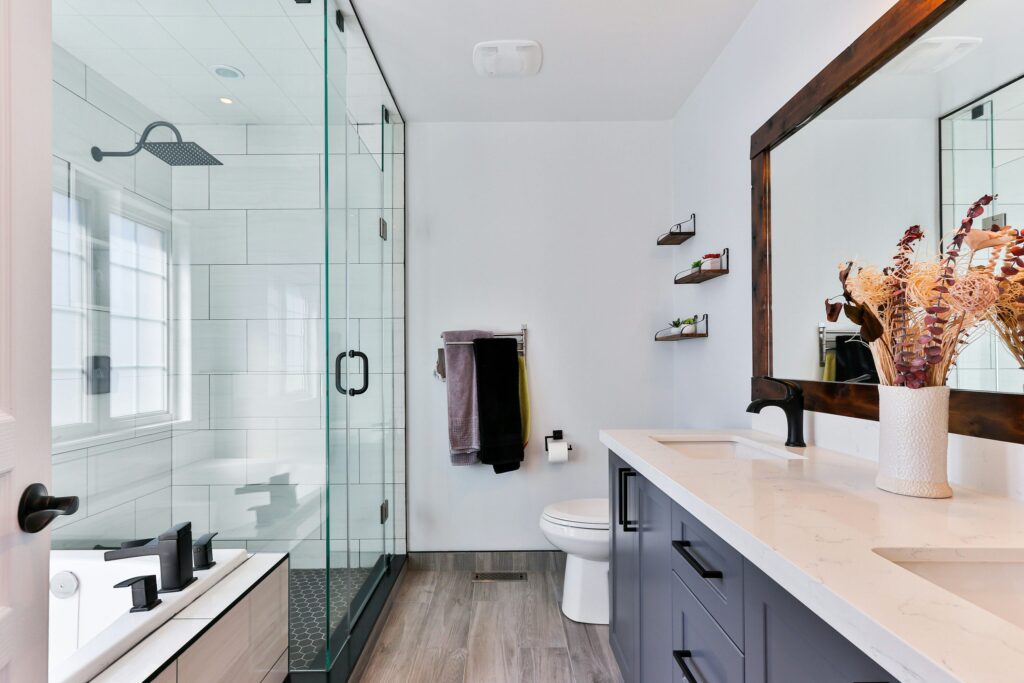
In bathrooms, tile work, waterproofing, vanities, plumbing fixtures, glass enclosures, and ventilation often shape the budget. A bathroom may look simple on paper, but moisture control and precise finish work make a real difference in price and long-term performance.
In living areas and bedrooms, flooring, paint, trim, lighting, built-ins, and wall repairs are often the main categories. If you are updating multiple rooms at once, consistency in materials can help control cost.
For outdoor renovations like decks, bars, and entertainment areas, material durability matters. Gulf Coast weather can be tough on exterior projects, so products need to be selected with heat, moisture, and maintenance in mind. A cheaper material upfront can cost more over time if it does not hold up.
Watch for Scope Creep Before it Hits your Budget
One of the biggest reasons renovation estimates grow is scope creep. That happens when the original plan expands during the project. Sometimes it is necessary. Sometimes it happens because the decisions were not nailed down early enough.
Changing tile after ordering, adding recessed lights halfway through, switching from stock cabinets to custom, or deciding to upgrade adjacent spaces can all push the final price higher. None of those are wrong choices, but they should be recognized for what they are – changes to the original estimate.
If you want a tighter number, make as many selections as possible before work begins. Finalize fixtures, finishes, layout decisions, and major design preferences early. Clarity saves money.
What a Solid Contractor Estimate Should Include
A professional estimate should feel clear, not vague. You should be able to understand what work is included, what assumptions are being made, and where allowances apply. If a number seems far lower than the rest, it is worth asking what has been left out.
Look for details on demolition, labor, materials, trades, permits, cleanup, and projected timeline. You also want to understand how change orders are handled if something shifts once the project begins.
At Smith & Port Construction, transparent estimating matters because homeowners deserve a real picture of the work before they commit. That kind of communication helps prevent budget surprises and keeps the project moving in the right direction.
A Practical Way to Build Your Renovation Budget
If you are planning a renovation, start by deciding what you must have, what would be nice to have, and what can wait. Then get realistic about finish level. A budget built around bargain materials will not support premium selections later.
Next, gather measurements, photos, and a written list of your goals. Think through how you use the space now and what is not working. That makes it easier for a contractor to prepare an estimate that matches your priorities instead of guessing at them. Most of all, leave room for the job to be done right. Good renovation work is not only about what looks nice on reveal day. It is about what still performs well years later. A careful estimate gives you a better chance of getting both.