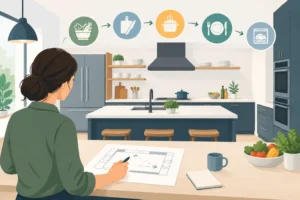
A kitchen can look dated long before it stops working, but the best kitchen remodel upgrades do more than replace old finishes. They solve the daily frustrations that make cooking, cleaning, hosting, and keeping up with family life harder than they should be. For homeowners in Slidell and across the Gulf Coast, a well-planned remodel should also stand up to humidity, busy households, and the practical demands of a home built for real living.
The right priorities depend on your home, your budget, and how you use the space. A family that cooks every night needs different improvements than a homeowner preparing to sell within a few years. Still, some upgrades consistently deliver better function, a more finished appearance, and lasting value.
Start With the Layout Before the Finishes
Cabinet color and countertops get attention first, but layout has the greatest effect on how a kitchen feels every day. If the refrigerator door blocks the main walkway, the sink has no nearby prep space, or two people cannot work in the room at once, new surfaces alone will not fix the problem.
A good layout creates clear work zones for storing groceries, preparing food, cooking, cleaning, and serving. In many older kitchens, moving an appliance, widening an opening, or removing a non-load-bearing wall can make the room more useful than adding another decorative feature. An island can be a strong addition when there is enough clearance around it. In a tight kitchen, however, an oversized island can create a bottleneck rather than solve one.
Before finalizing plans, think through a normal weekday: where bags land when you come home, where coffee is made, where children do homework, and how dishes move from table to dishwasher. Those details are where a kitchen earns its keep.
The Best Kitchen Remodel Upgrades for Daily Use
1. Custom or Better-Designed Cabinetry
Cabinets are usually the largest visual feature in the room and one of the most worthwhile places to invest. Quality cabinetry provides a solid foundation for the entire remodel, but construction is only part of the decision. Storage design matters just as much.
Deep drawers for pots and pans, pull-out trash bins, tray dividers, spice storage, and dedicated pantry cabinets can eliminate the clutter that gathers on counters. Soft-close doors and drawer slides are not flashy, but they add a quiet, solid feel that homeowners appreciate for years. If the existing cabinet boxes are in excellent condition and the layout works, refacing may be worth considering. When storage is poor or the boxes are worn, replacement is generally the better long-term choice.
2. Durable, Low-Maintenance Countertops
Countertops take more daily abuse than almost any other kitchen surface. They need to handle meal prep, spills, heat, and regular cleaning without becoming a constant maintenance project.
Quartz remains a popular choice because it offers consistent color, strong stain resistance, and simple upkeep. Natural stone can bring one-of-a-kind character, though some materials require sealing and more careful maintenance. Granite remains a dependable option for homeowners who want natural variation and durability. The best choice is not always the most expensive one. It is the material that fits the household’s use, cleaning habits, and design goals.
Consider the edge profile and backsplash at the same time. A simple eased edge is clean and practical, while a full-height countertop backsplash can create a polished look with fewer grout lines behind the range.
3. Better Lighting in Layers
Many kitchens still rely on one ceiling fixture to light the entire room. That leaves shadows over work areas and makes a freshly remodeled kitchen feel flat after dark. A better plan uses layers of lighting.
Recessed lights can provide even general illumination, while pendants add focused light and visual interest over an island or peninsula. Under-cabinet lighting is one of the most useful upgrades available because it puts light directly on the countertop where chopping, reading recipes, and cleaning happen. A well-placed fixture over the sink and dimmers throughout the room add flexibility from early-morning coffee to evening entertaining.
Lighting should be planned before cabinets and finishes are installed. That allows fixtures, switch locations, and electrical needs to be handled cleanly rather than treated as an afterthought.
4. A Functional Island or Peninsula
An island can add prep space, storage, seating, and a natural gathering spot. It can also become the heart of the kitchen when it is sized and positioned correctly. The key is preserving comfortable circulation around all sides.
If the room does not have enough width for an island, a peninsula may provide many of the same benefits without crowding the space. It can define the kitchen from an adjoining living area, create a landing zone near the range, and offer cabinet storage below. Adding outlets at an island or peninsula is also practical for small appliances and charging devices.
5. A Vent Hood That Actually Performs
A range hood is often treated as a style decision, but it has an important job. Proper ventilation helps remove heat, moisture, grease, and cooking odors. That matters in any home, especially in a humid Gulf Coast climate where indoor moisture is already a concern.
The right hood depends on the cooking surface, whether ductwork can run outside, and how much cooking your household does. A decorative hood can become a focal point, but performance and correct installation should come first. Recirculating units have their place where exterior venting is not feasible, though a properly ducted hood generally provides better results.
6. Modern Appliances With the Right Features
New appliances can improve efficiency and appearance, but homeowners should choose features based on real habits instead of showroom appeal. A larger refrigerator is useful only if it does not take away necessary aisle space. A double oven may be worthwhile for frequent hosts and large families, while a high-quality single oven may be the smarter use of budget for others.
Consider quiet dishwasher operation, easy-to-clean range controls, dependable ice makers, and appliance placement. A microwave drawer can free up counter space. A separate beverage area can keep family members and guests from interrupting the main cooking zone. These are practical details that make a kitchen feel organized during busy times.
7. A Walk-In or Well-Organized Pantry
More storage is valuable, but accessible storage is better. A walk-in pantry is excellent when the floor plan allows it, particularly for families who buy in bulk or use countertop appliances regularly. It can keep the main kitchen cleaner and less crowded.
If a walk-in pantry is not possible, a tall pantry cabinet with roll-out shelves can still provide major improvement. The goal is to avoid deep shelves where food disappears in the back and expires before anyone finds it. Adjustable shelves, shallow pull-outs, and designated appliance storage make every square foot work harder.
8. Flooring Built for Kitchen Traffic
Kitchen flooring needs to look good, clean up easily, and hold up under dropped dishes, chair movement, pets, and wet shoes. Large-format porcelain tile is durable and well suited to Gulf Coast homes, while luxury vinyl plank can provide a warmer feel underfoot and strong water resistance. Hardwood offers timeless character, but it requires more care around moisture and spills.
The best option depends on the rest of the home as well. Carrying the same flooring through an open kitchen and living area can make the home feel larger and more connected. If tile is selected, thoughtful grout color and quality installation matter as much as the tile itself.
9. Purposeful Backsplash and Finish Details
A backsplash is a chance to add personality without overwhelming the room. Simple subway tile remains a dependable choice because it works with many styles and is easy to live with. Larger tiles, handmade-look finishes, or patterned materials can create more character when balanced by quieter cabinets and countertops.
Do not overlook the smaller finish details. Cabinet hardware, faucet selection, trim work, paint color, and outlet placement all influence whether the kitchen feels carefully completed. These choices do not need to be expensive, but they should be coordinated early so the final result feels intentional.
10. Electrical and Plumbing Improvements Behind the Walls
Some of the most valuable upgrades are not visible after the project is complete. Older kitchens may need additional circuits for modern appliances, more countertop outlets, updated plumbing shutoffs, or corrected venting. Addressing these items during a remodel can prevent headaches later and supports a safer, more functional kitchen.
This is also the time to consider a water filtration system, pot filler, dedicated outlet for a future appliance, or plumbing changes for a relocated sink. Not every upgrade is necessary, but planning ahead is less costly than opening finished walls later.
Balance Resale Value With the Way You Live
Homeowners often ask which kitchen upgrades provide the greatest return. Quality cabinetry, durable counters, updated lighting, improved layout, and modern appliances tend to appeal to buyers because they are easy to see and easy to use. Still, resale should not be the only factor.
A highly personalized kitchen may be right for a homeowner who plans to stay for many years. If a sale may be closer, a cleaner, more broadly appealing design with dependable materials is usually the safer route. Either way, workmanship matters. Crooked cabinet lines, poor tile layout, weak lighting, and rushed finish work can reduce the impact of even premium selections.
Plan the Work in the Right Order
The strongest remodeling projects start with clear priorities and realistic decisions before construction begins. Establish the budget, identify the problems that must be solved, and decide where it makes sense to invest. It is better to choose durable cabinets and a functional layout than to overspend on a feature that does not improve daily use.
A detailed estimate and a contractor who communicates clearly can make a major difference throughout the process. Smith & Port Construction approaches kitchen remodeling with the kind of hands-on planning, clean work practices, and finish-focused craftsmanship homeowners expect when they are investing in the center of their home.
The kitchen should not simply photograph well on the day it is finished. It should make the next busy morning, family meal, and weekend gathering feel easier than the one before it.